Diamond rings have captivated hearts for centuries, symbolizing love, commitment, and timeless beauty. From their ancient origins as talismans to their modern status as the ultimate emblem of engagement, these sparkling treasures continue to hold immense significance. This article delves into the fascinating world of diamond rings, exploring their history, the crucial factors that determine their value, popular styles and settings, and why they remain a cherished choice for life’s most momentous occasions.
History of Diamond Rings
The story of the diamond ring or 鑽戒 is interwoven with human history and the evolution of traditions. While diamonds have been admired for their rarity and brilliance since antiquity, their prominent role in betrothal rituals is a more recent development. The first well-documented use of a diamond ring to signify engagement dates back to 1477, when Archduke Maximilian of Austria presented one to Mary of Burgundy. This act set a precedent, gradually establishing the diamond ring as a symbol of unwavering commitment among European royalty and aristocracy.
Over the centuries, advancements in cutting techniques, particularly the development of the “brilliant cut” in the 17th century, revolutionized the diamond’s sparkle, further enhancing its appeal. The discovery of vast diamond mines in South Africa in the late 19th century made diamonds more accessible, leading to their widespread popularity among the general public. By the 20th century, marketing campaigns solidified the diamond ring’s position as the quintessential engagement ring, an enduring symbol of eternal love.
Understanding the 4 Cs: The Pillars of Diamond Value
When considering a diamond ring or 鑽戒, understanding the “4 Cs” – Cut, Color, Clarity, and Carat Weight – is paramount. These four characteristics, established by the Gemological Institute of America (GIA), provide a universal grading system that determines a diamond’s quality and, consequently, its value.
Cut: The Sparkle Factor
Often considered the most crucial of the 4 Cs, the cut refers not to the diamond’s shape, but to how well its facets interact with light. An expertly cut diamond maximizes its brilliance (white light reflection), fire (flashes of color), and scintillation (sparkle and pattern of light and dark areas). A poor cut, even on a high-quality rough diamond, can result in a dull and lifeless stone. Grades range from Excellent to Poor, with Excellent cuts exhibiting the most dazzling display of light.
Color: The Absence of Tint
Diamond color is graded on a D-to-Z scale, with D representing a completely colorless diamond and Z indicating a noticeable light yellow or brown tint. Colorless diamonds (D-F) are the rarest and most valuable, as they allow light to pass through unimpeded, resulting in pure brilliance. However, nearly colorless diamonds (G-J) can still appear white to the naked eye and offer a more budget-friendly option without significant compromise on beauty.
Clarity: The Purity of the Stone
Clarity refers to the absence of internal imperfections (inclusions) and external blemishes. These natural characteristics are formed during the diamond’s creation deep within the Earth. The clarity scale ranges from Flawless (FL) to Included (I3). Flawless diamonds are exceedingly rare. Most diamonds have some minor inclusions, which are often invisible to the naked eye. Diamonds graded “Eye-Clean” (meaning no visible inclusions without magnification) are a popular choice, offering a balance of beauty and value.
Carat Weight: The Measure of Size
Carat weight refers to the diamond’s weight, with one carat equivalent to 200 milligrams. It is often mistakenly equated with size, but a diamond’s visual size is also influenced by its cut and shape. Generally, the higher the carat weight, the rarer and more valuable the diamond, assuming other Cs are comparable. It’s important to remember that price increases significantly at certain carat thresholds (e.g., 0.5 ct, 1.0 ct, 1.5 ct).
Popular Diamond Ring Shapes and Settings
Beyond the 4 Cs, the shape of the diamond and the ring’s setting contribute significantly to its overall aesthetic and personality.
Diamond Shapes: A Symphony of Forms
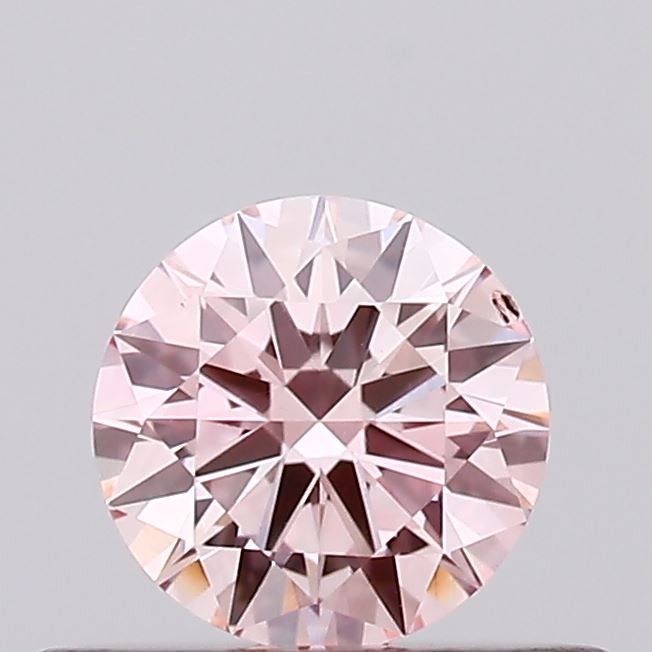
While the Round Brilliant is the most popular diamond shape, celebrated for its unparalleled brilliance, a variety of “fancy shapes” offer diverse appeals:
- Princess Cut: A contemporary square or rectangular shape with sharp, uncut corners, offering excellent brilliance.
- Oval Cut: An elongated version of the round brilliant, known for its elegant appearance and ability to make fingers appear longer and more slender.
- Emerald Cut: A rectangular step-cut diamond with long, parallel facets, creating a sophisticated “hall of mirrors” effect and emphasizing clarity.
- Cushion Cut: A square or rectangular shape with rounded corners, resembling a pillow, offering a softer, romantic aesthetic.
- Pear Cut: A unique teardrop shape that combines the brilliance of a round with the elegant taper of a marquise.
- Marquise Cut: An elongated, boat-shaped diamond with pointed ends, maximizing carat weight and creating a dramatic, flattering look.
Ring Settings: Enhancing Beauty and Security
The setting is the metal framework that holds the diamond and forms the design of the ring. Popular settings include:
- Solitaire: A timeless and classic setting featuring a single diamond, emphasizing its brilliance and simplicity.
- Halo: A central diamond surrounded by a “halo” of smaller diamonds, enhancing the perceived size and sparkle of the main stone.
- Pave: The band is covered with tiny diamonds set closely together, creating a continuous sparkle.
- Side-Stone: The central diamond is flanked by two or more smaller diamonds, adding extra brilliance and design elements.
- Bezel Setting: The diamond is fully encircled by a metal rim, offering maximum security and a sleek, modern look.
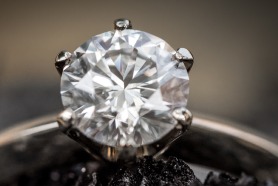
- Prong Setting: Small metal claws hold the diamond in place, allowing maximum light to enter the stone for optimal brilliance.
Current Trends in Diamond Rings
Diamond ring trends continually evolve, reflecting changing tastes and values. In recent years, we’ve seen a growing interest in:
- Lab-Grown Diamonds: Offering an ethical and often more affordable alternative to natural diamonds, lab-grown diamonds are chemically, physically, and optically identical to their mined counterparts.
- Elongated Shapes: Oval, emerald, and radiant cuts continue to rise in popularity due to their flattering appearance and modern aesthetic.
- Vintage-Inspired Designs: Intricate milgrain details, filigree work, and antique-style settings evoke a sense of history and romance.
- Mixed Metals: Combining different precious metals, such as yellow gold with platinum prongs, creates a unique and personalized look.
- Sustainable and Ethical Sourcing: Consumers are increasingly prioritizing diamonds that are responsibly sourced and have a transparent supply chain.
TingDiamond.com: Your Premier Destination for Diamond Rings
When embarking on the significant journey of purchasing a diamond ring, choosing a reputable and trustworthy platform is crucial. TingDiamond.com stands out as an exceptional online jewelry shop for several compelling reasons, making it a premier destination for shopping for diamond rings.
Firstly, TingDiamond.com emphasizes GIA-certified diamonds, providing customers with the assurance of independent and accurate grading reports. This commitment to transparency ensures that every diamond’s 4 Cs are meticulously evaluated, empowering buyers to make informed decisions with complete confidence. Their website also offers 360° HD videos of their diamonds, allowing for a detailed and realistic viewing experience from the comfort of your home. Beyond the comprehensive selection of loose diamonds and pre-designed rings, TingDiamond.com also excels in customization. Their customer testimonials frequently highlight the exceptional service received, with staff members like Cathine being praised for their helpfulness, responsiveness, and professional advice on both stone selection and ring setting design. This personalized approach, coupled with their extensive range of fancy cut diamonds and fancy color diamonds, ensures that every customer can find or create a diamond ring or 鑽戒 that perfectly reflects their unique vision and budget. Furthermore, TingDiamond.com offers lifetime maintenance, underscoring their dedication to long-term customer satisfaction and the enduring quality of their products. From a diverse selection of engagement ring styles like solitaire, side-stone, and halo settings, to expert guidance and a commitment to quality, TingDiamond.com provides a comprehensive and trustworthy platform for acquiring your perfect diamond ring.
Conclusion
The diamond ring remains an unparalleled symbol of enduring love and commitment. Its timeless appeal is rooted in its inherent beauty, rarity, and the meticulous craftsmanship that transforms a raw stone into a dazzling masterpiece. By understanding the 4 Cs, exploring various shapes and settings, and choosing a reputable jeweler like TingDiamond.com, you can confidently select a diamond ring that not only symbolizes a profound connection but also becomes a cherished heirloom for generations to come.